

Prince James Story and Aryana Noroozi |
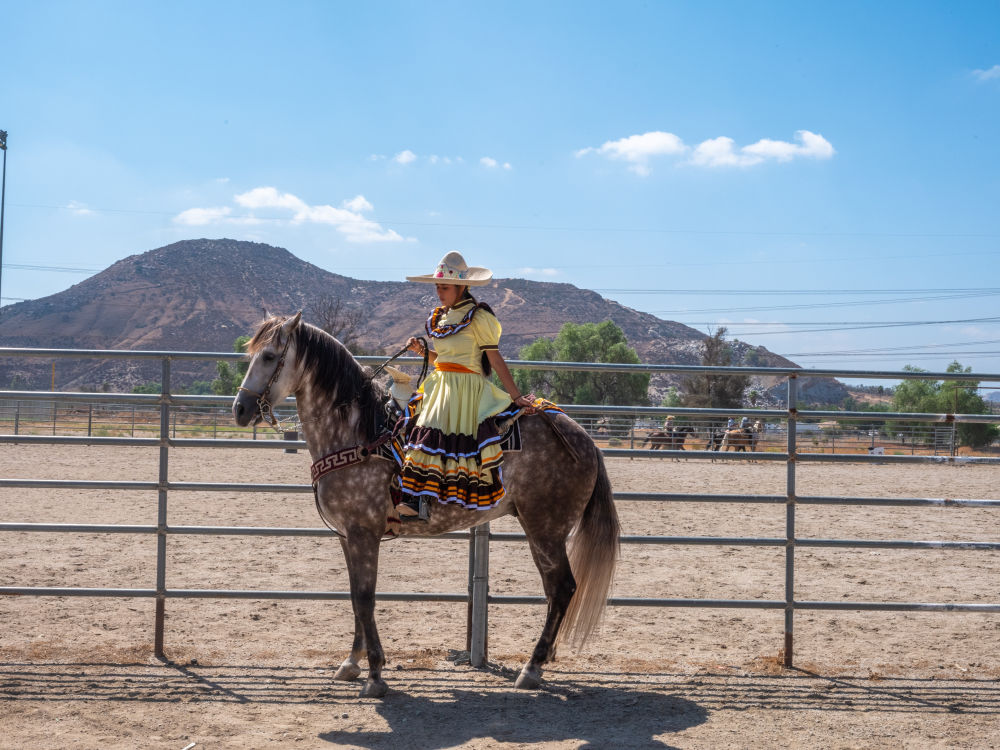
Alejandra Gonzalez says everyday on her drive home from work she counts how many of her neighbors she sees on horseback.
Bloomington, California appears like many other rural equestrian communities in the state’s southern region, and residents are fighting to keep it that way. The community has a large Mexican American population. For decades it became a new home for those immigrating from Mexico. Many have lived in their homes for multiple generations: growing produce and caring for livestock on their properties. For some, this is their livelihood as they operate their businesses from home like the Gonzalez family.
Gonzalez says she started counting the horses when her community’s equestrian lifestyle began facing a threat.
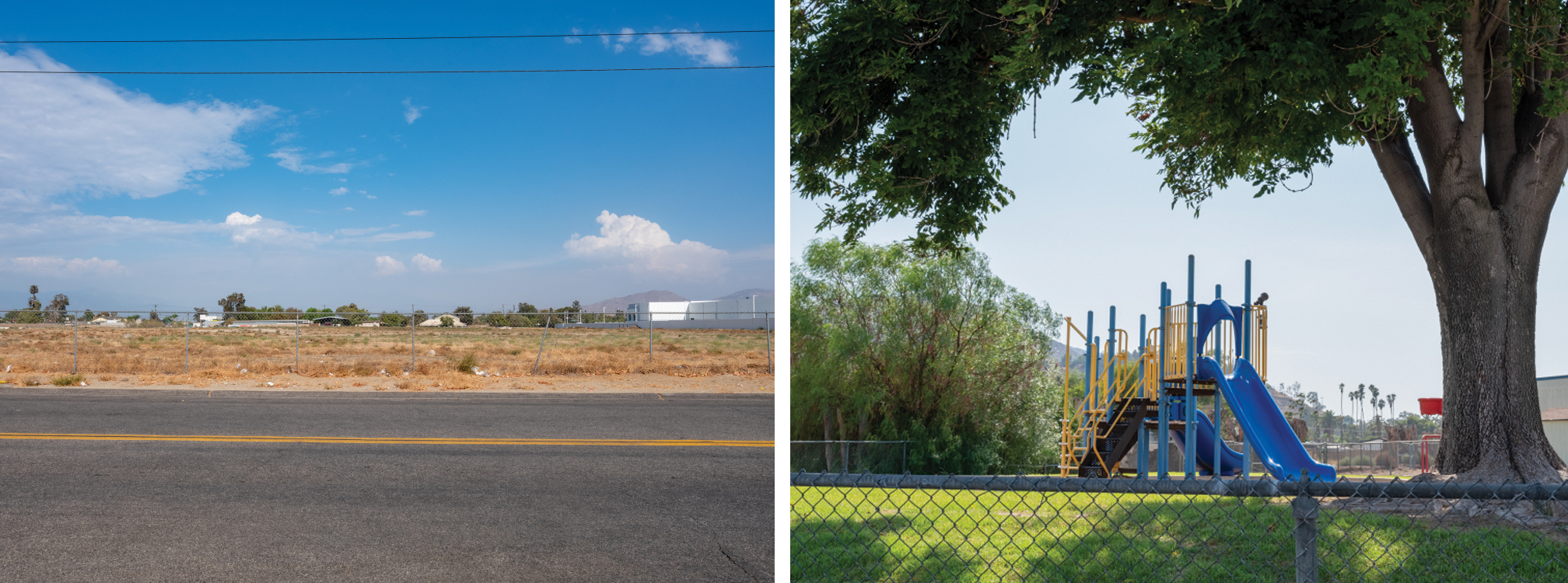
Currently, Gonzalez and fellow community members navigate a precarious situation to preserve their rural community in the midst of warehouse developments encroaching on homes and public spaces.
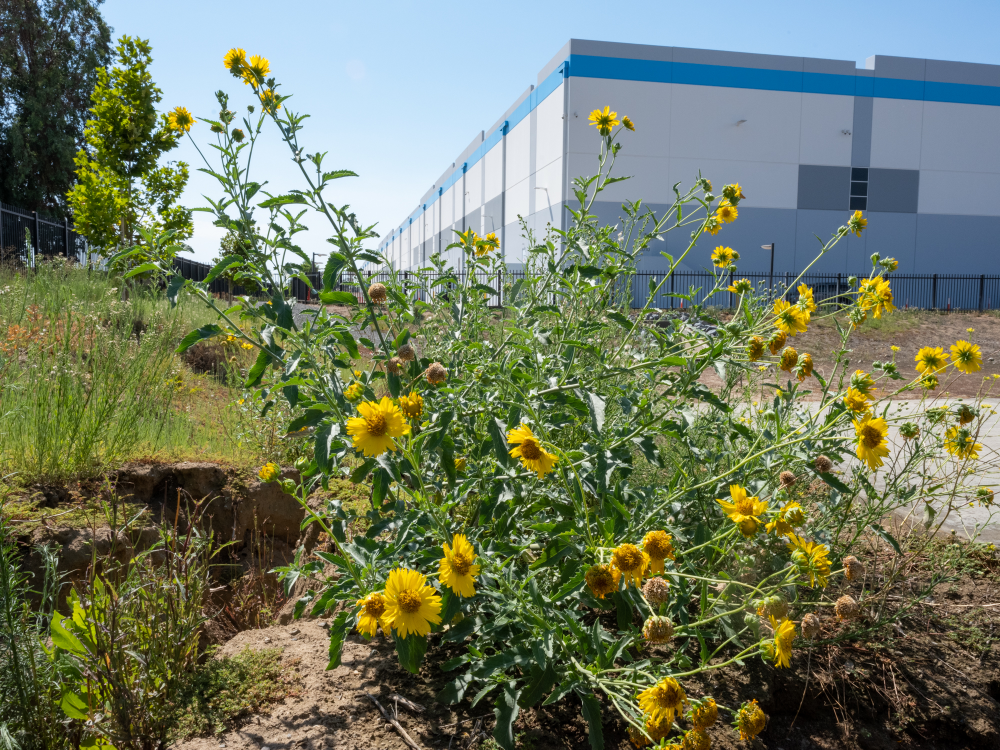
Gonzalez’s family has lived in Bloomington for two generations, owning and operating a nursery and landscaping business. Today an Amazon warehouse sits directly across from their home and obstructs their view of the foothills.
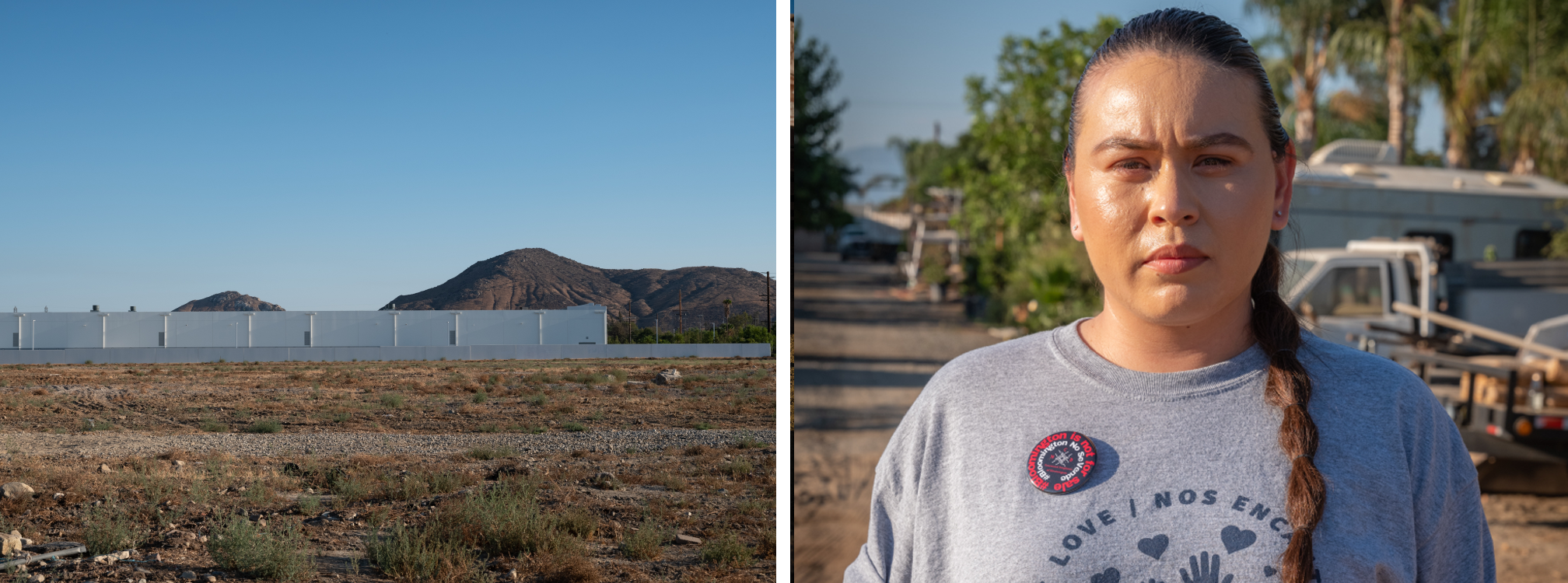
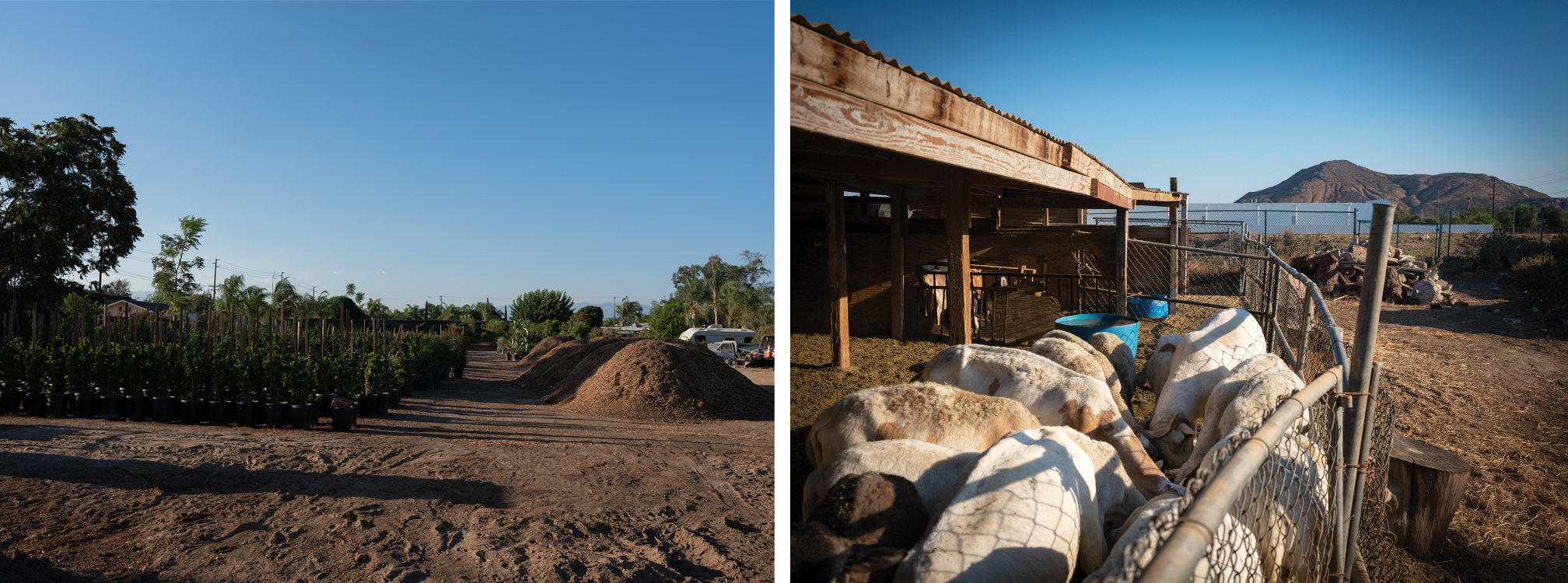
Ms. Gonzalez says that project developers see Bloomington as blight, while residents like herself think San Bernardino County should drive the necessary infrastructural change as opposed to private developers. These residents fear changes that warehouse developments will bring to their community; they’ve banded together as the Concerned Neighbors of Bloomington (CNB), a community organization that advocates for representation of their community’s need for a healthy community without warehouses near homes or schools.
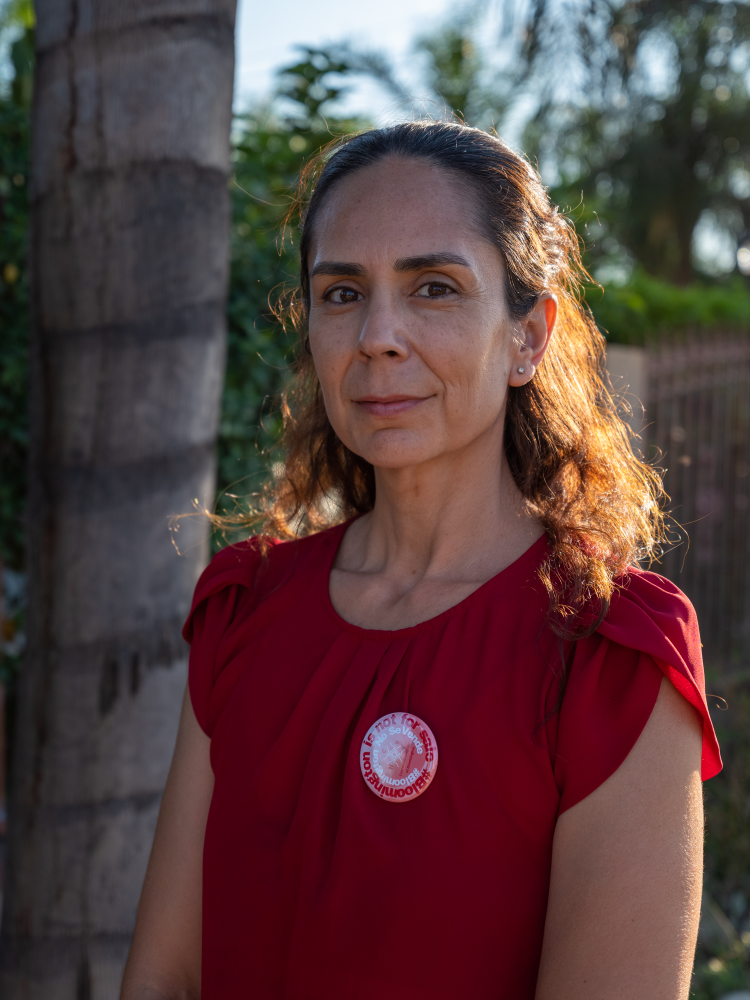
“Every season you might find a fruit stand on the corner, [in]avocado season we might see neighbors trading fruits and vegetables,” said Ana Carlos, member of CNB. “We have our weekends where the family is going to go for a walk in the hills, or all the family goes for a ride on their horses. That’s the type of community that Bloomington is.”
Approximately five years ago, Carlos witnessed an increase in warehouses in the area. When she learned of the plan to build one directly behind the future high school of her children, she became heavily involved with CNB.
CNB is currently opposing the “Bloomington Business Park Specific Plan.” The project applicant is Howard Industrial Properties.
The Bloomington Business Park Specific Plan is proposed to use 213 acres of land to build warehouses, facilities, office buildings, and a business park. The proposed location is approximately one mile south of the Interstate 10 (I-10) corridor and is generally bound by Santa Ana Avenue on the north, Jurupa Avenue on the south, Linden Avenue on the east, and Alder Avenue on the west.
The plan is in two phases over 20 years. The first phase covers an initial 141-acre development area.
The project would involve the destruction of Walter Zimmerman Elementary School and displace occupants of approximately 100 residential homes.
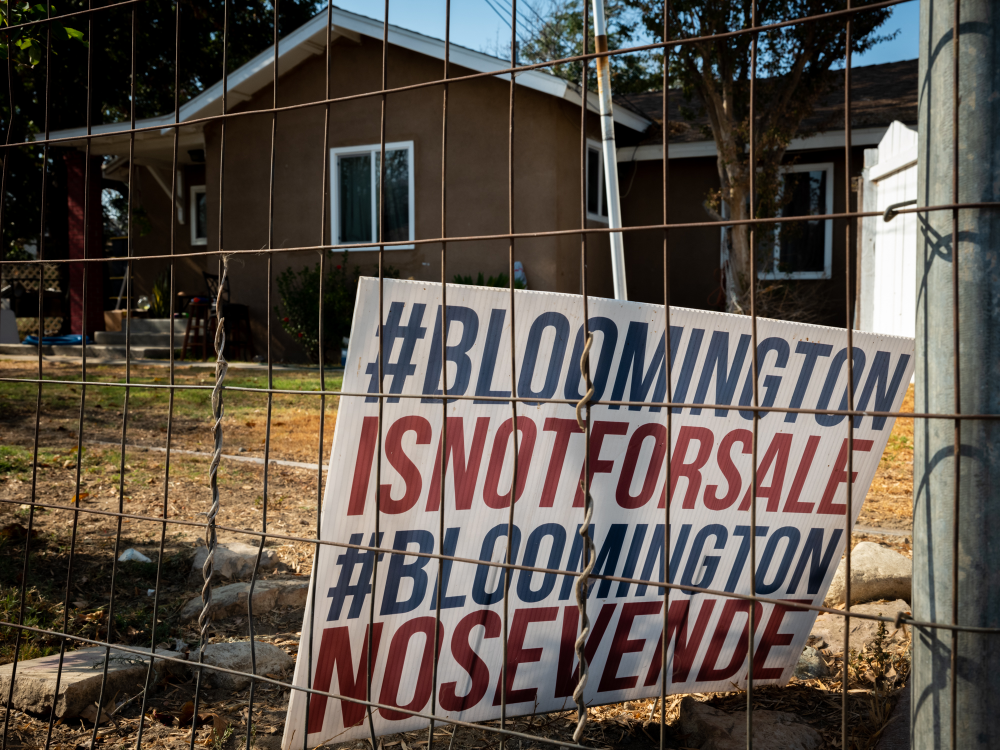
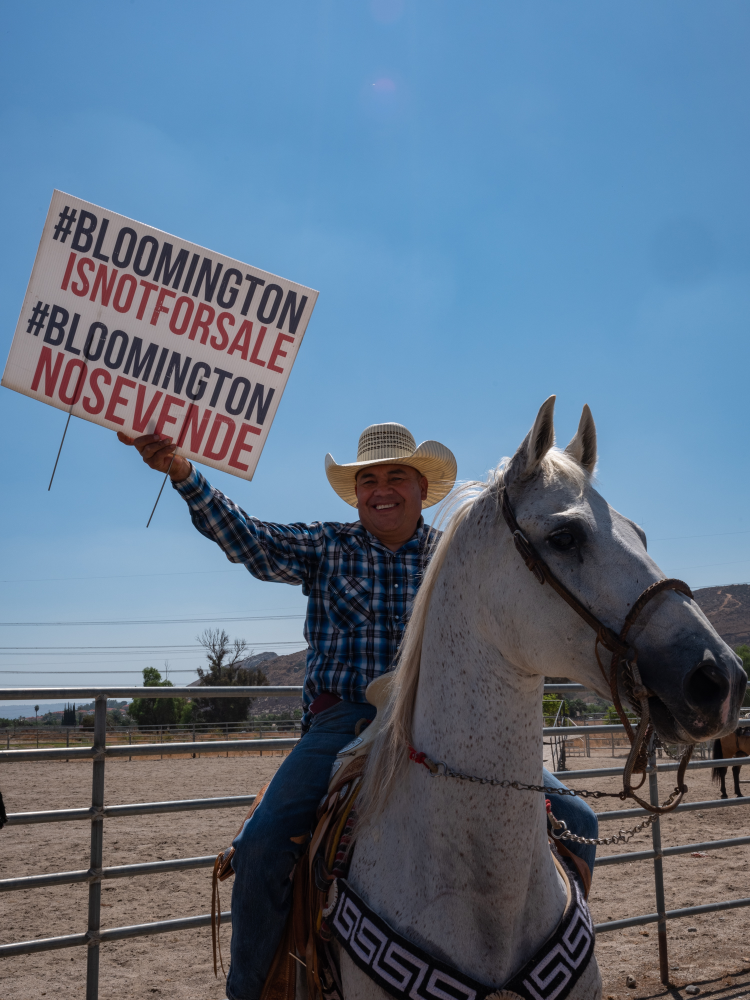
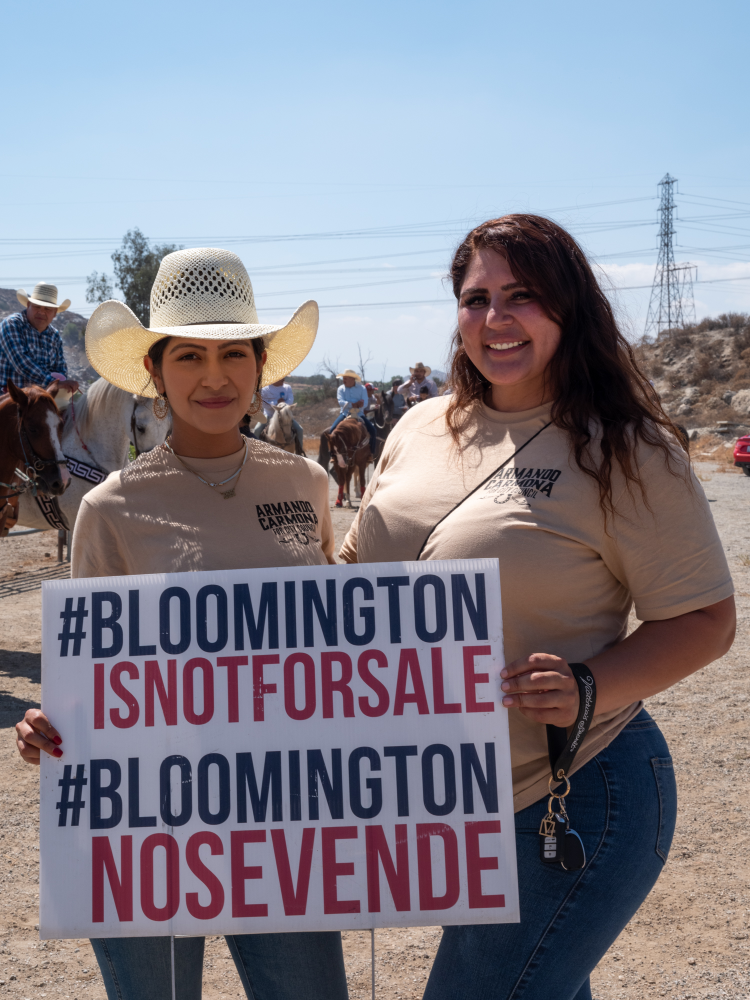
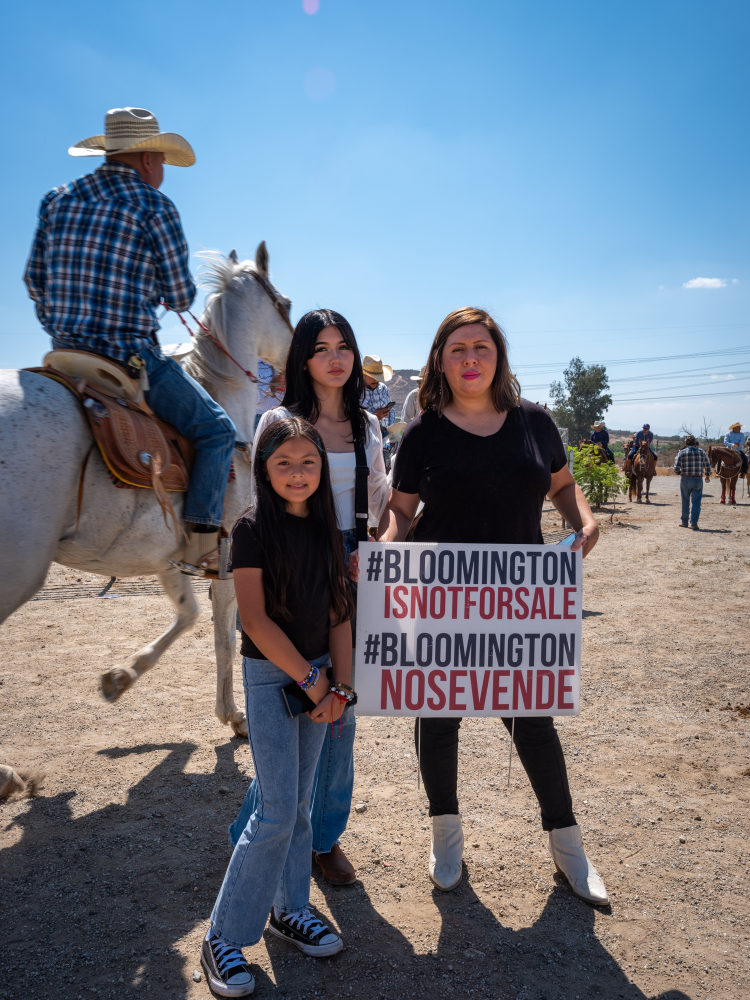
On September 18, CNB held a protest where community members gathered to bring awareness to the proposed project and garner support. Holding signs that read, “Bloomington is not for sale,” they rallied against warehousing. These signs are displayed in the yards of homes across Bloomington.
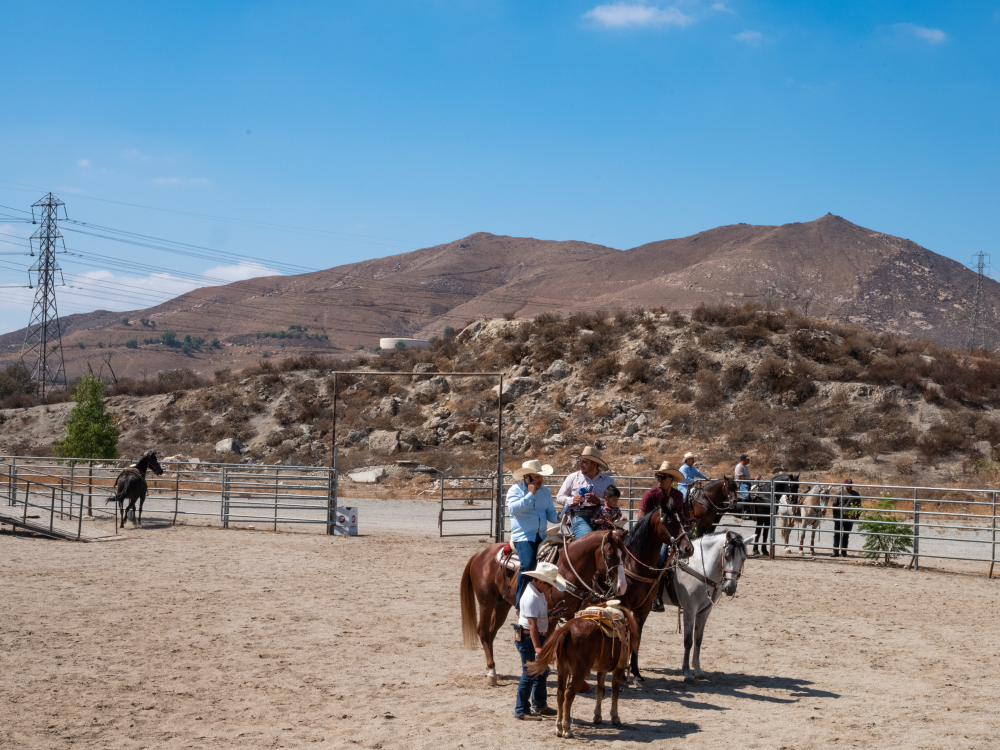
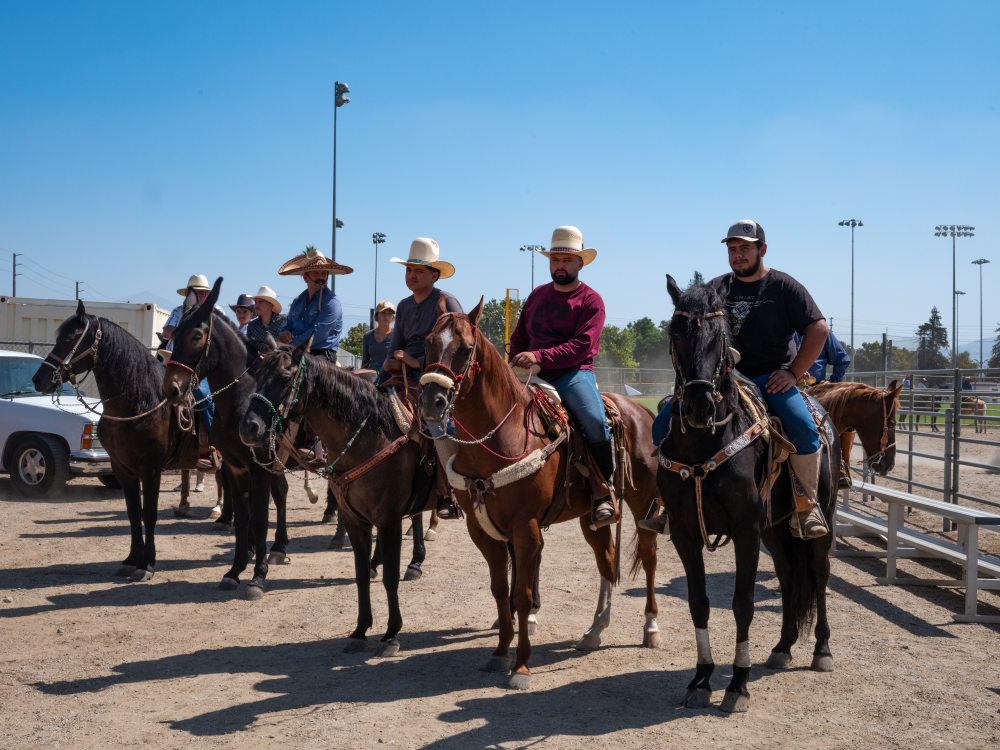
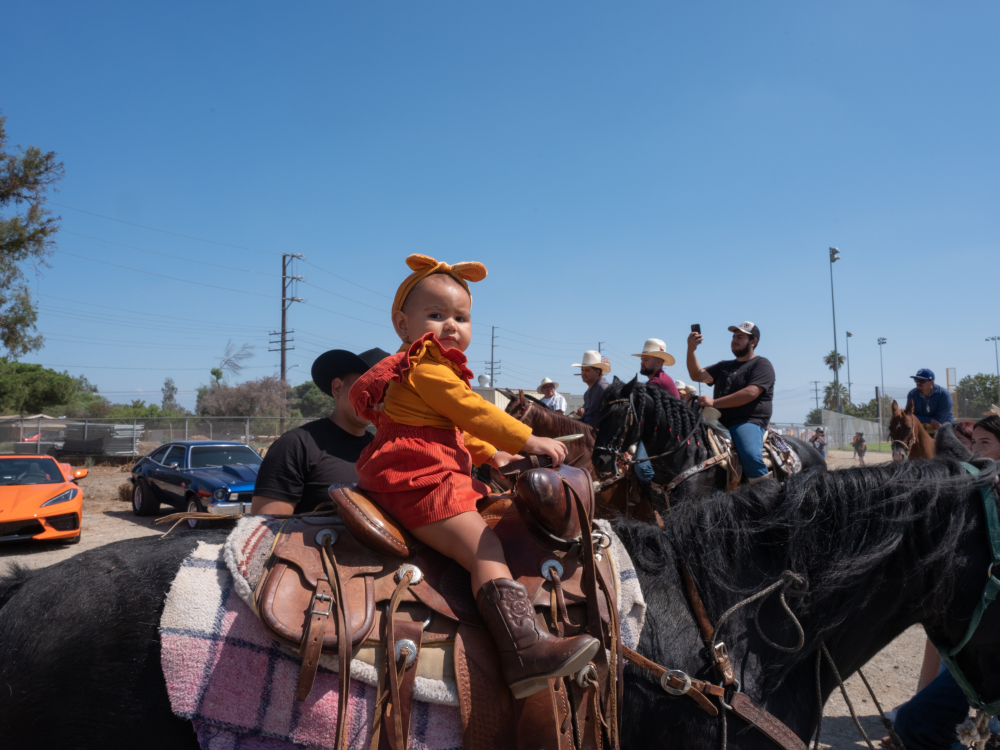
The attendees, both on foot and horseback- marched the perimeter of the planned Bloomington Business Park site.
Community organizer and member of the Center for Community Action and Environmental Justice (CCAEJ), Joaquin Castijellos led the march with a megaphone chanting, “Bloomington united will never be defeated.”
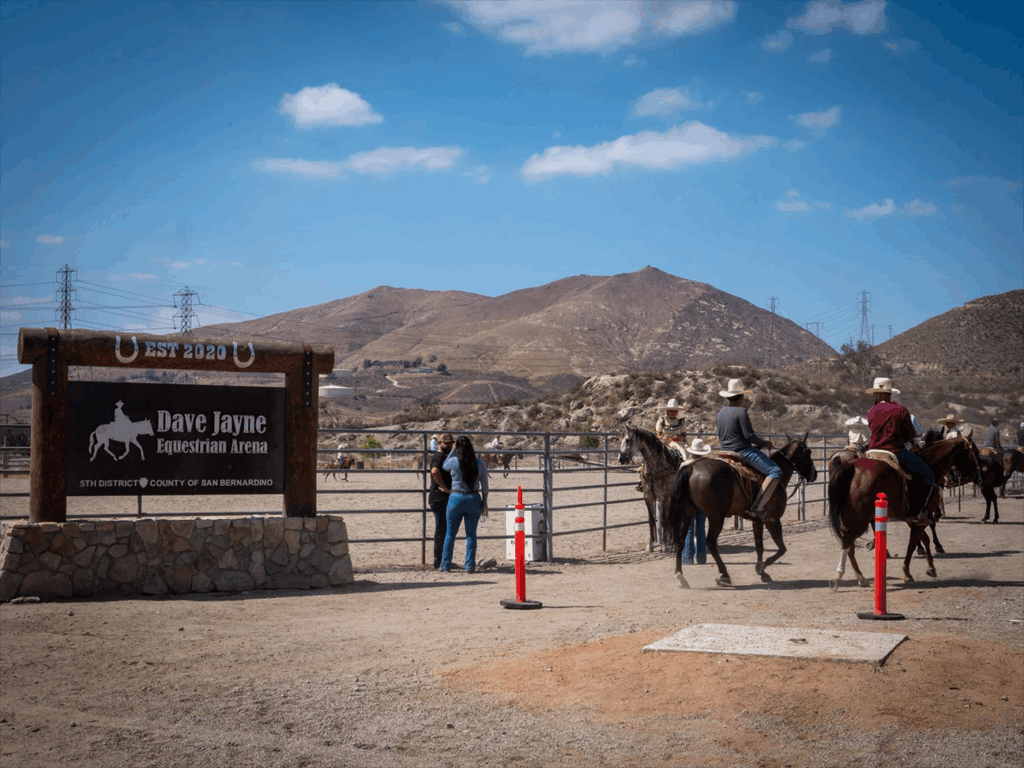
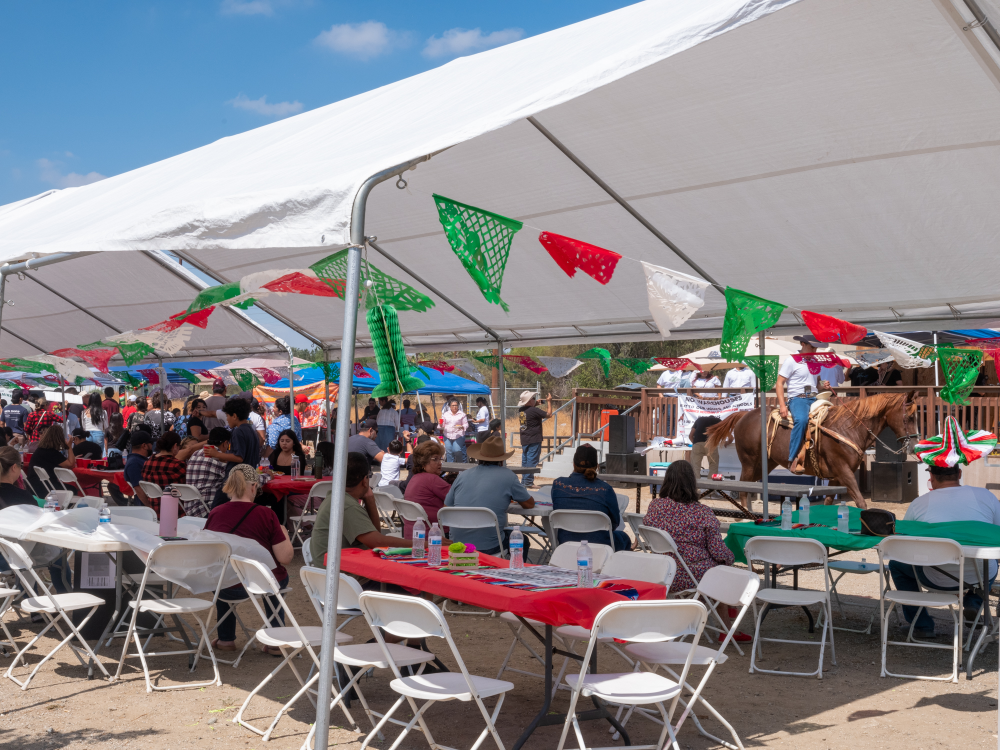
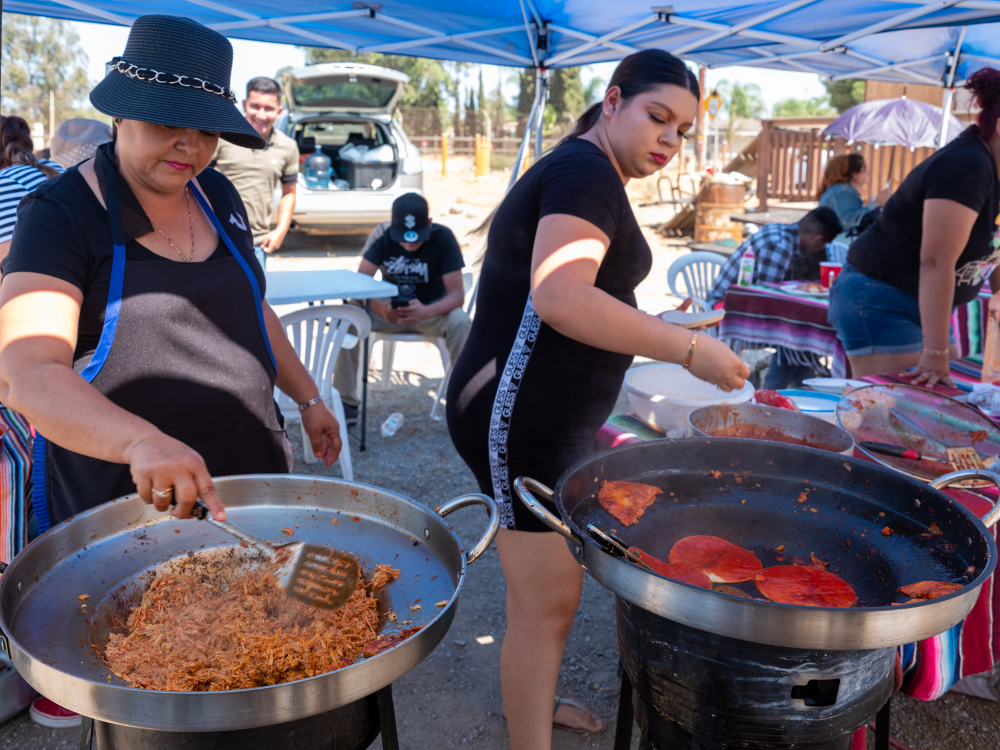
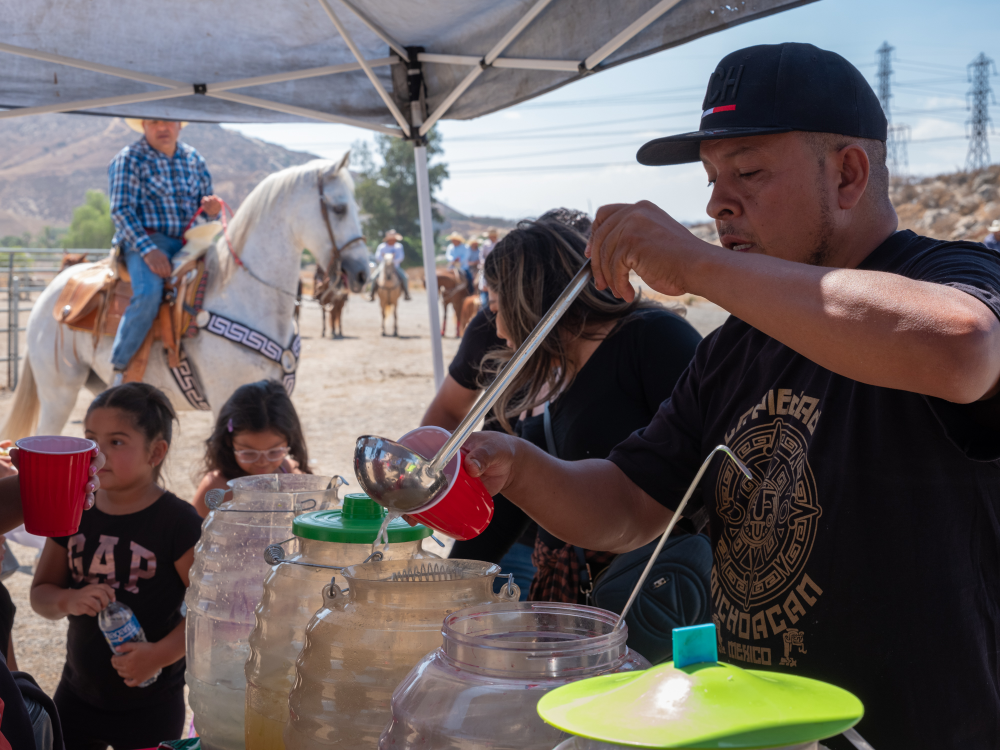
The march concluded at the Dave Jayne Equestrian Area, where CNB served authentic Mexican food for residents to enjoy, live music, and organizers made speeches that educated and motivated residents to get involved. Organizers said they were pleased with the turnout of the event and hope that the County of San Bernardino was, is, and will become more aware of how many residents are against the Bloomington Business Park.
“For me, Sunday was like a new beginning for Bloomington. I hope that people can take what they saw home and realize when you mobilize as a community, there’s power there,” Castijellos said.
“When the residents of Bloomington don’t feel connected to the land, to the community, to their neighbors, to their neighborhood, you know, it’s easy for them not to want to get involved,” Castijellos said. “When there is an event like this, it is something to bring the community together and feel that connection with everyone around them.”
Carolina Verduzco has lived in the Bloomington community for 34 years and said her rift is not with the warehouses going up; it’s with the placement of the warehouses.
“A lot of the people think that we’re anti-development, we’re not anti-development. I think we need development that makes sense. And it doesn’t make sense to put a warehouse in the middle of a community,” Verduzco said. “I think they need to be in areas that just make more sense, traffic wise, housing wise and school wise.”
Bloomington is listed as an unincorporated community which means it is not a city and does not have a local government. Final decisions are made by the San Bernardino County Board of Supervisors.
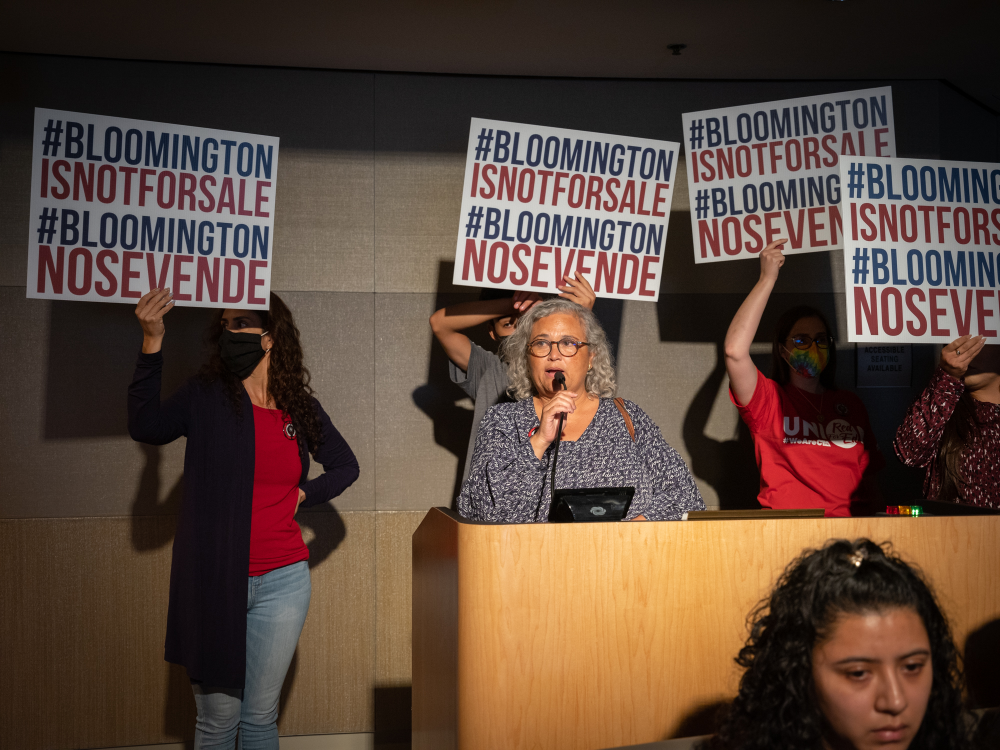
On Thursday, Sept. 22, the San Bernardino County Planning Commission held a meeting to listen to project plan leaders and provide an opportunity for community members to voice their support or disapproval of the proposed project.
Bloomington community members and labor union workers filled the chamber.
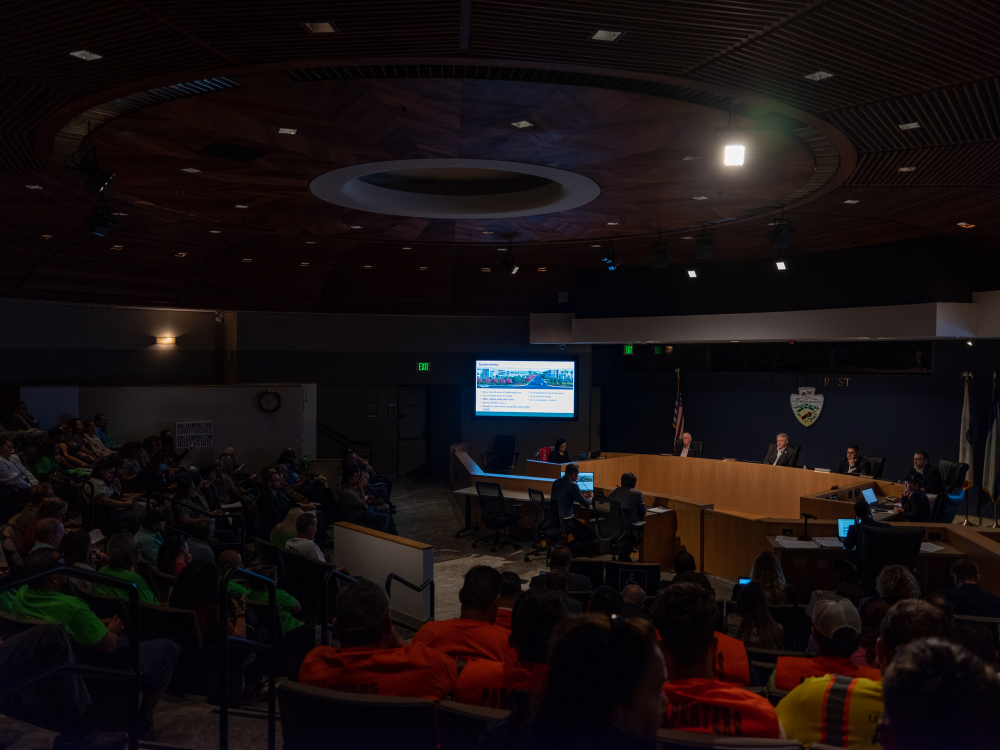
A number of people wore T-shirts that read, “Invest in Bloomington.” The consensus from this group was Bloomington desperately needs infrastructure upgrades and a developer, like Howard Industrial Properties, is the only promising option to fulfill this need.
Others called for more funding for the sheriff’s office, from road improvements to the water drainage system, and many recounted their experience of flooding throughout the rain season during the public comment session. These residents expressed extreme frustration at Bloomington being neglected. They believe a significant perk of this project is the money that Howard Industrial Properties will be investing will bring the change that they have been advocating for their community for years.
Members of the Laborers’ International Union of North America (LIUNA) also attended the meeting to support the proposed project.
The presentation stated that these new warehouses would bring in over 3,000 local and permanent jobs to the community.
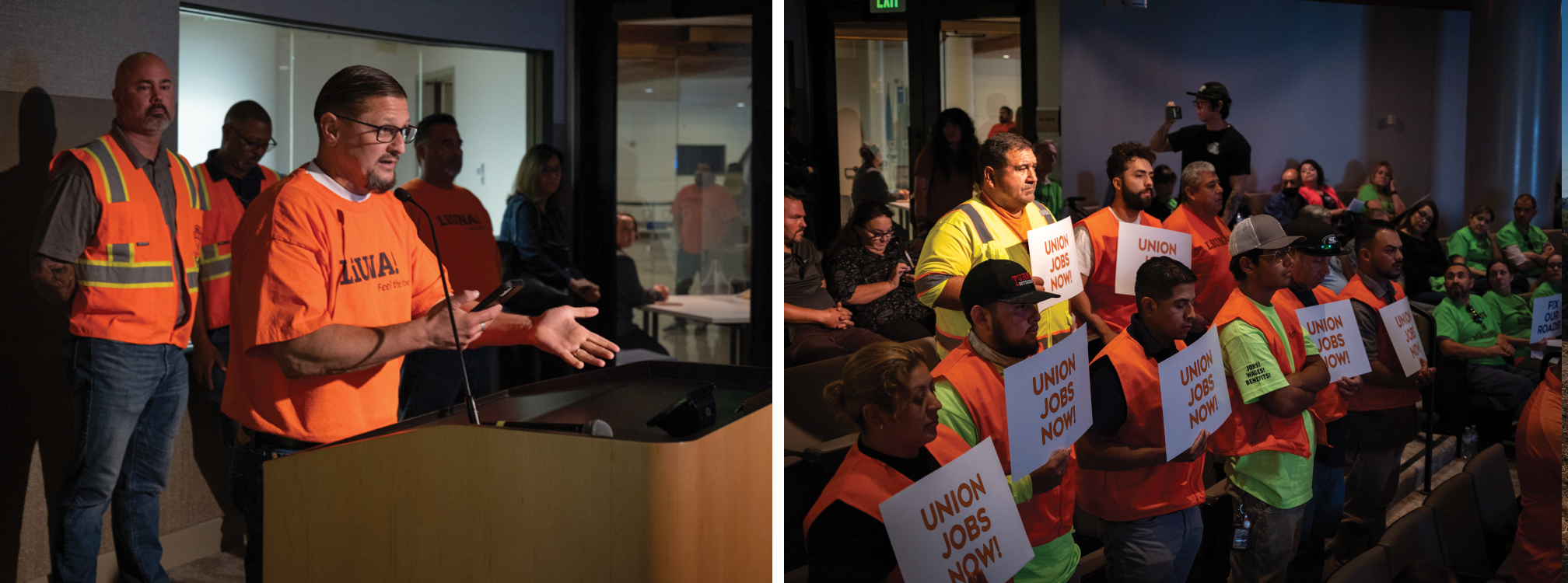
The project is also proposed to bring $6.4 million in Infrastructure, $20 million to solve regional flooding issues, $45 million to build a new elementary school, and $2.2 million in street improvements will be invested into the community.
Altogether the project proposal states that Howard Industrial Properties will spend $512 million investing in Bloomington over the next 30 years.
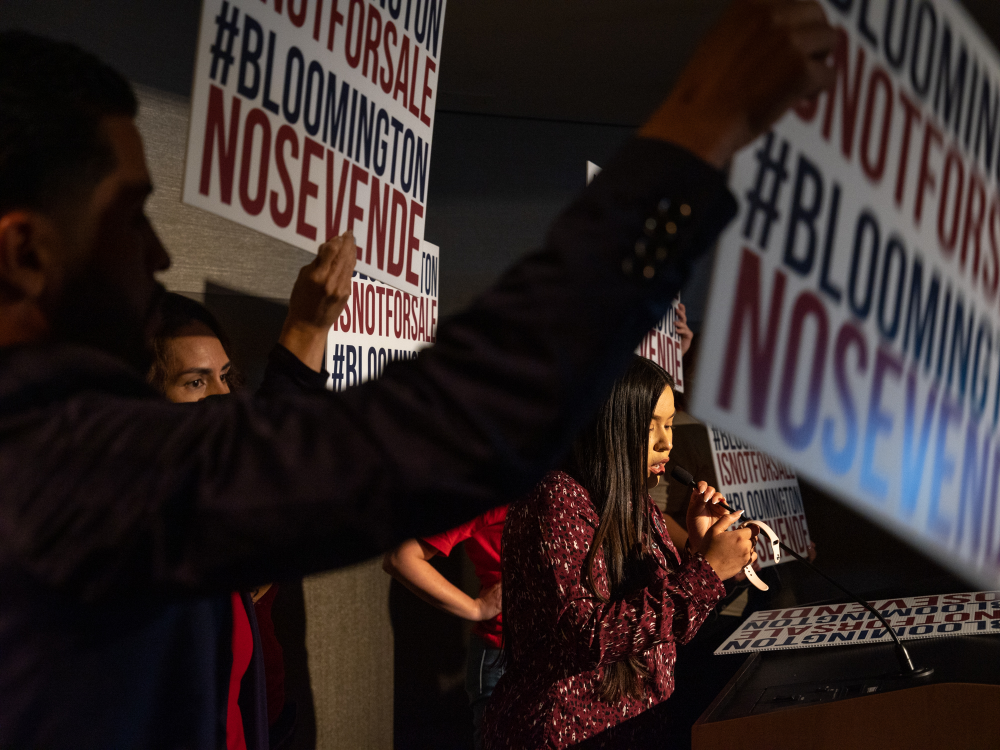
Ana Gonzalez, Executive Director of the Center for Community Action and Environmental Justice (CCAEJ), was one of the speakers who raised the issue of increased air pollution in residential areas during public comment.
“I am a mother of a child with asthma who can not live a normal teenager life,” Gonzalez said. “He is homeschooled because his lungs are so damaged because of the pollution he breathes in every day.”
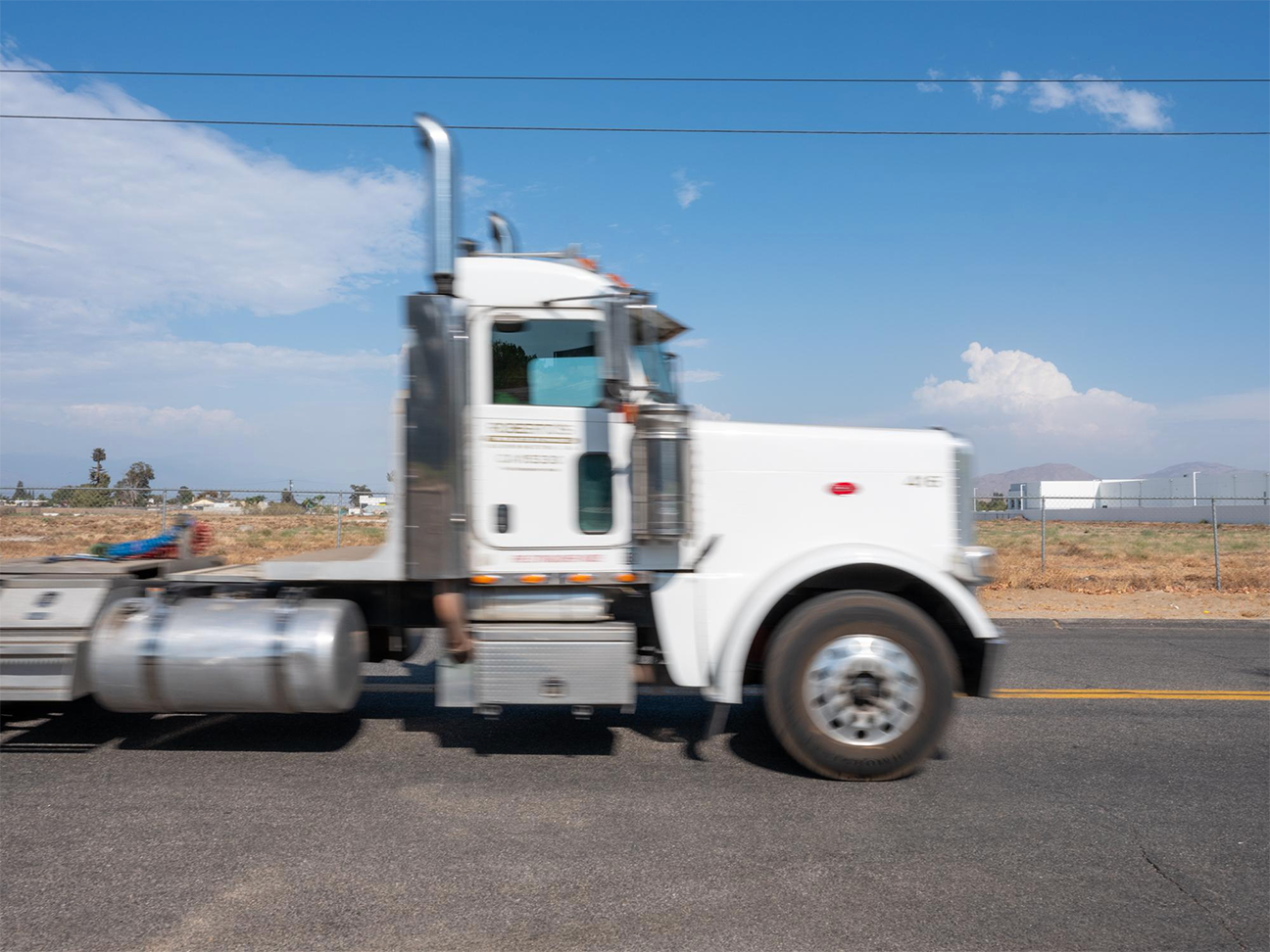
According to a 2018 report by the Safe Routes Partnership, a nonprofit organization working to provide a healthy environment for children walking to and from school, areas like Jurupa Valley or Bloomington in the Inland Empire are disproportionately susceptible to health disparities due to high truck volume.
“In the Jurupa Valley and Mira Loma area, a study found that children that reside in this area had the weakest lung capacity and the slowest lung growth of all children in the region due to exposure to diesel exhaust, and a majority of the children affected were Latino and low-income.”
Bloomington residents are fighting the drastic environmental impacts of pollution like other municipalities in the Inland Empire.
After seven hours of deliberation and public comments, the Commission voted in favor of the proposal, with one committee member abstaining.
The project will now move to the San Bernardino County Board of Supervisors who have the final vote.
Despite differing opinions among attendees, the Sept. 22 meeting evidenced that all of these residents collectively agreed that investment in the community was necessary.
CNB members say that they remain hopeful. “If we weren’t then they wouldn’t have fought this hard,” Gonzalez said. “We’ve come together for hundreds of hours of community organizing,” she said.
Community members have also raised questions regarding the longevity and sustainability of the warehousing industry both in Bloomington and across the Inland Empire.
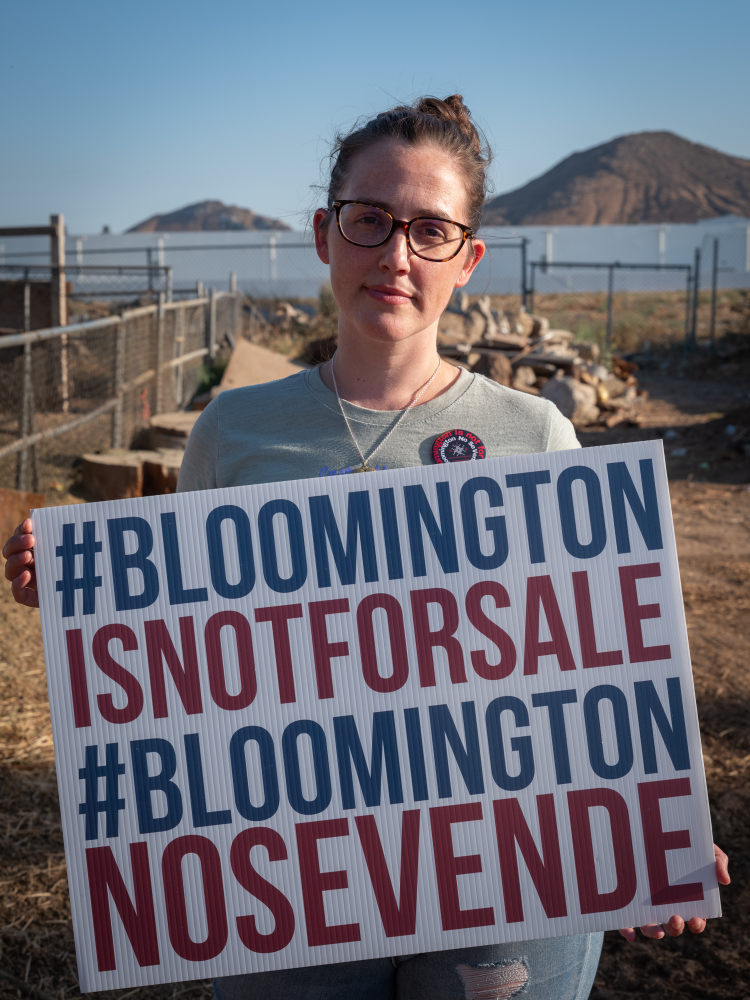
Caitlin Towne grew up in Bloomington and is now an educator at the local middle school. Towne believes that warehousing alone is not diversifying the economy of the Inland Empire and is concerned for the future. Towne said she read an article about the potential financial dangers and began to consider “the outcome of the singular economy of warehouses and logistics in the Inland Empire” to that of Detroit and the automotive industry. “I think we’re already seeing that with automation,” Towne said.
A report on Warehouse Automation Trends in 2022 and Beyond noted, “43% of companies prioritize warehouse automation, while 37% look forward to achieving it shortly.”
“Once automation came in, it toppled the whole economy of Detroit. It never fully recovered from that.”